
A Room Prepared
What a Hospital Stay Taught Me About Beauty and Care

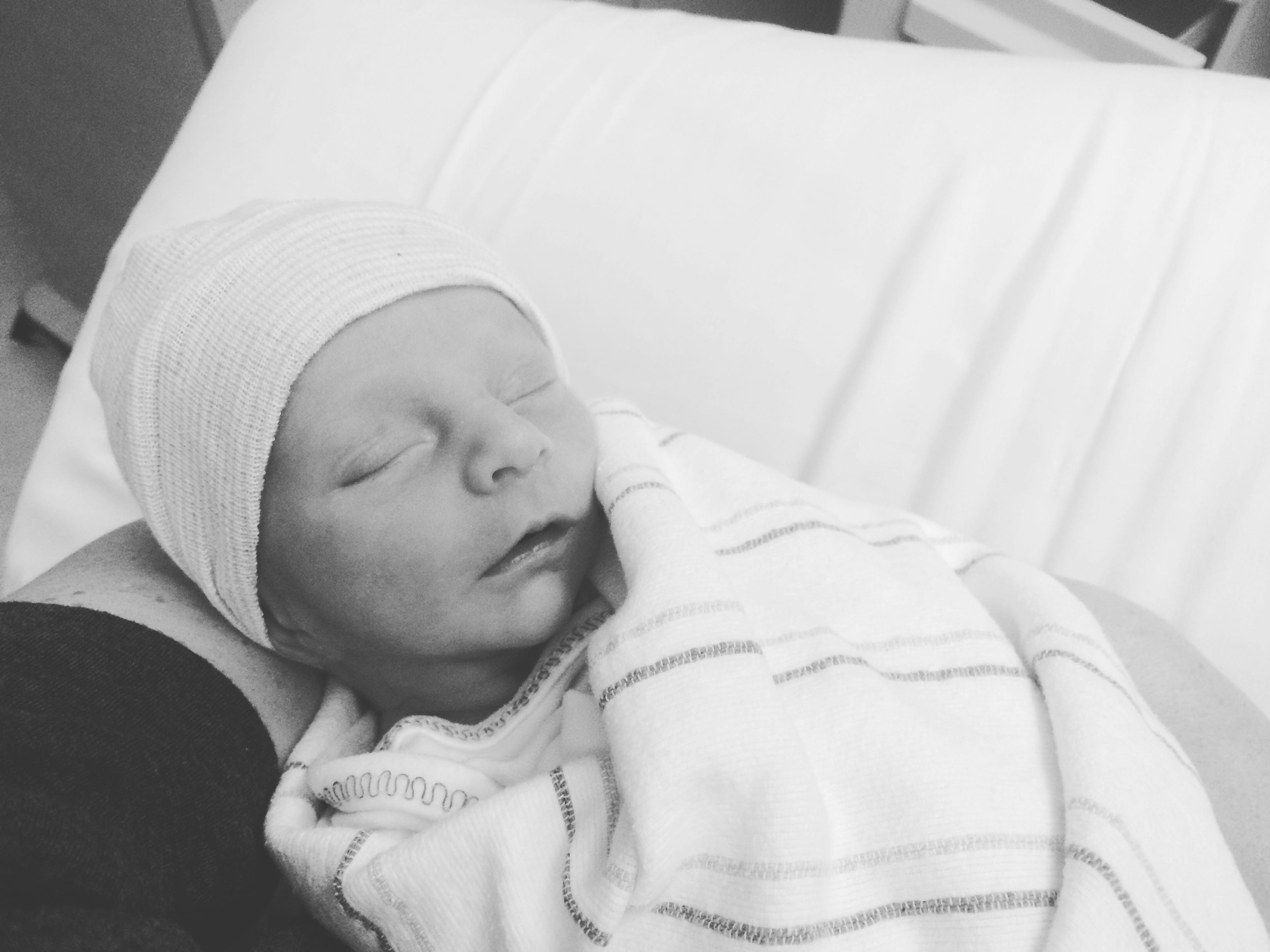
I will never forget the feeling I had when I was pregnant with my first son.
At thirty-four weeks, I was admitted to the hospital with preeclampsia. He was my first baby, and I did not understand the gravity of the diagnosis. I felt fine. I had never even heard of preeclampsia. Why did I need to go to the hospital so urgently?
It was a Tuesday afternoon. My husband and I sat in what felt like just another routine prenatal appointment. Everything seemed normal, aside from my swollen, tired body. That morning I had worn strappy wedges to work, and my feet were puffed awkwardly against the straps — an unattractive but, I assumed, typical late-pregnancy inconvenience. A coworker glanced down more than once. Still, I brushed it off as water retention and normal weight gain.
“I’m sorry, but your blood pressure is elevated,” the nurse said gently. “Let’s have you lie on your left side for a bit and try again.”
I knew nothing about blood pressure. I was a naive patient, trusting and unaware. When they checked again, it was still elevated. Suddenly there was protein in my urine, and just like that, a diagnosis.
“You need to go to the hospital.”
I remember blinking in confusion.
“I’m sorry… what? Why?”
“You have preeclampsia.”
Oh.
“Would it be okay if I went in on Monday? My mom is throwing me a baby shower this weekend. I will be out of town.”
The nurse offered a compassionate but unwavering blank stare.
“No. You need to go now. Go home, pack a bag, and then you need to be admitted.”
And just like that, the narrative I had imagined for my first baby unraveled. No baby shower. No carefree welcome into motherhood. No golden hour — the peaceful first moments after delivery when mother and baby rest together in quiet wonder. Instead, there was magnesium medication that made me nauseous, strict bed rest, and the weight of uncertainty.
When we arrived, a nurse led us into a delivery room.
“This is where you’ll stay while you’re on bed rest in case we need to deliver,” she explained. “You may be here a while, so we wanted you somewhere comfortable.”
To my surprise, I was not disappointed when we walked in.
This hospital had been thoughtfully designed for women. The labor and delivery unit felt calm and warm rather than clinical. The paint colors were soothing. Plantation shutters framed the windows — actual plantation shutters. The space felt as lovely as home.
Each day, elderly volunteers in cheerful Hawaiian shirts would stop by offering warm chocolate chip cookies and hot lavender towels. Small gestures, yet profoundly comforting. In the middle of fear and disappointment, these details softened the experience in a way I did not expect.
Unfortunately, my blood pressure would not stabilize, and I was induced.
William was born at thirty-five weeks, weighing just four pounds, five ounces. He was tiny. Wrinkly. Sweet beyond words. I am certain my husband and I were the only two humans who thought he was impossibly adorable.
I did not get to hold him for twenty-four hours. My husband did the golden-hour skin-to-skin session instead. It was devastating — yet blessings surfaced again and again during those fragile days.
Almost ten years later, I still think about that hospital stay.
What surprises me most is that I felt at home there. I was scared and heartbroken, yes, but I was also cared for, welcomed, and gently held through the experience.
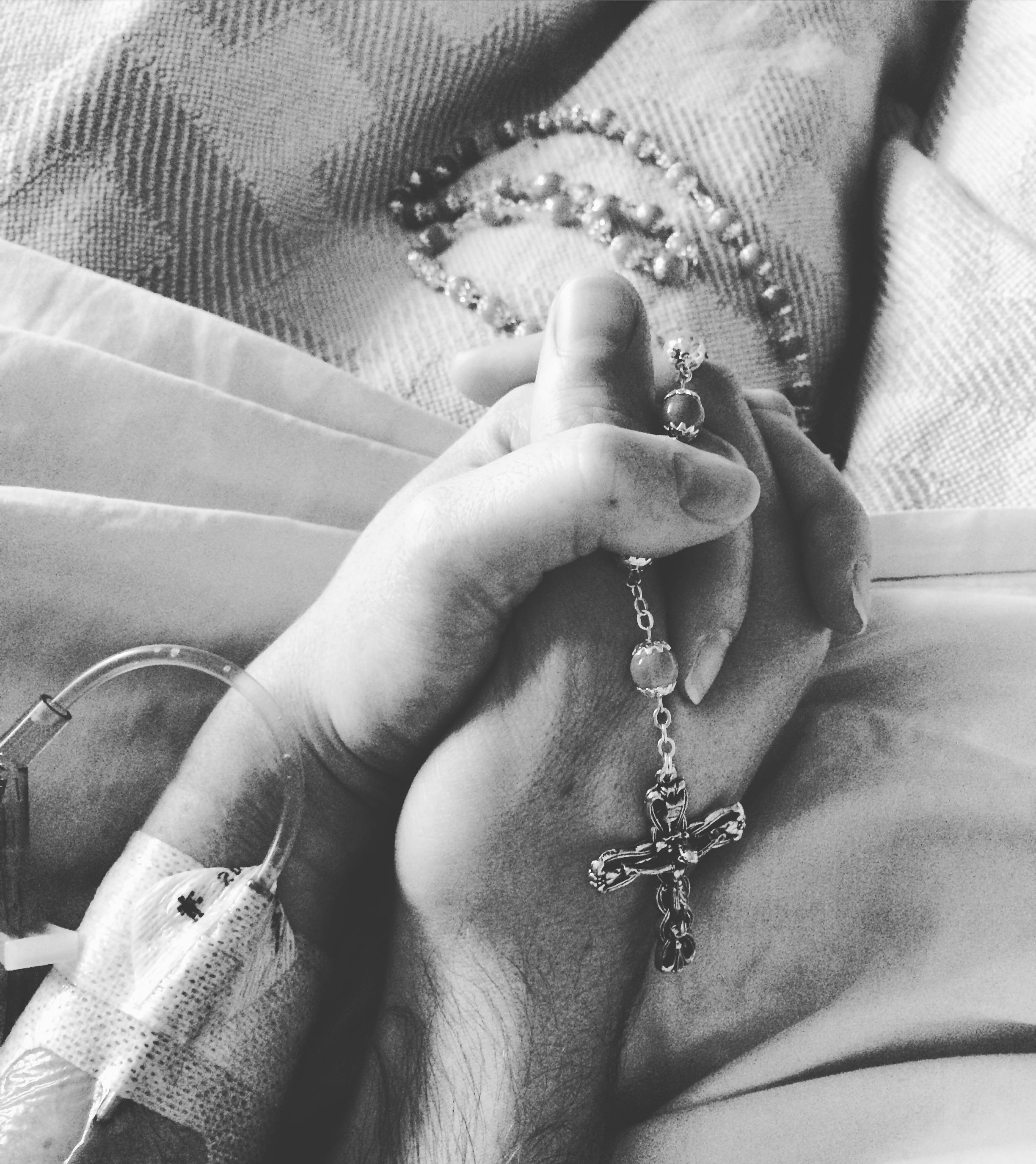
Early in my design career, I often wrestled with a question: Does interior design truly serve God?
The industry can feel worldly, materialistic, and detached from what matters most. Beautiful furnishings and curated spaces can appear indulgent — luxuries reserved for comfort rather than necessity.
But that hospital room changed my understanding.
Design, in that moment, was not about aesthetics or status. It was about dignity. It was about care. It was about creating a place where fear could soften and hope could quietly take root.
Beauty did not remove suffering, but it accompanied it.
And perhaps that is the deeper purpose of design.
To create spaces that whisper, you are safe here.
To form environments that gently remind the human person of their worth.
To participate, in some small way, in God’s ongoing work of hospitality toward His children.
Homemaking, I began to realize, is not confined to residential walls. It is a posture. A ministry. A willingness to prepare places where others can encounter peace, healing, and love — even in hospitals, waiting rooms, classrooms, and ordinary corners of daily life.
The following year, when we returned to that same hospital to welcome our second son, I found myself anticipating something unexpected: not the delivery itself, but the atmosphere of care that had once carried me through fear.
The kind nurses.
The volunteers in Hawaiian shirts.
The warm cookies and lavender towels.
The cozy room framed by shutters.
These details were not incidental. They were sacramental in their quietness — visible signs of invisible care.
That experience continues to shape the way I approach design today.
Every project becomes an opportunity to say fiat — yes — to the belief that beauty matters, that spaces influence the human heart, and that thoughtful environments can become vessels of grace.
Because sometimes the work of design is not about perfection or presentation. Sometimes it is about preparing a room where a frightened new mother can find peace. A space where a worried father can hold his premature son. A place where suffering and beauty meet, and neither one cancels the other one out.
And in those moments, design becomes something far more sacred than decoration.
It becomes an act of love.
Beautifully said Katie. Reliving every moment with you - can’t believe it’s almost been ten years ago that you gave birth to our first precious grandson. What a blessing you have been to our family and you’re so talented with all you do.
Beautiful, Katie. The domestic church is hallowed ground and worthy of adornment. Your work is important!